Square nails are bold, modern, and confident. They have clean lines, a strong silhouette, and a polished look that works with both minimalist and dramatic nail art. But square nails are also the most demanding shape to maintain. The sharp corners can catch on clothing, break easily, and look uneven if the filing is not precise. With the right technique and consistent care, however, square nails can be both beautiful and practical.
This guide explains why square nails are worth choosing, how to file them correctly, how to soften the corners for a more wearable look, and how to care for them daily.
Why Choose Square Nails?
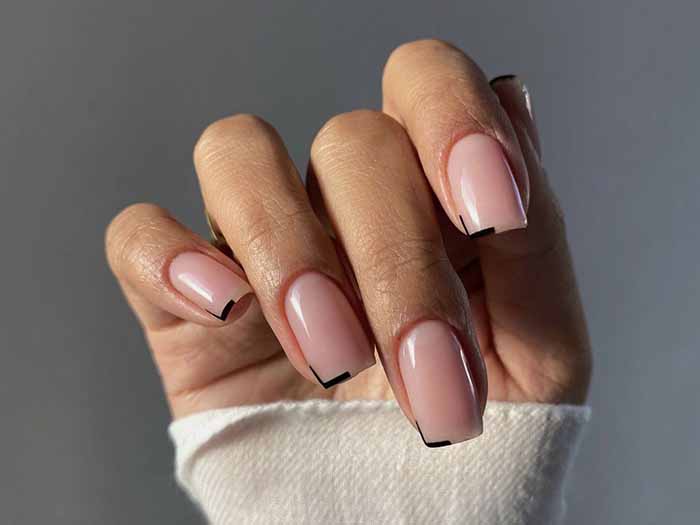
Square nails are a statement shape. They suit long, slender fingers and narrow nail beds especially well, because the straight sides add structure and balance. They are also a favourite for nail art. The flat tip and straight edges provide a clean canvas for geometric designs, colour blocking, and negative space.
Square nails are often described as strong and modern. But they are not the most durable shape. Pure square corners catch on things and chip easily. That is why many people choose a “squoval” shape—square with slightly rounded corners. It keeps the bold look but reduces the risk of breakage.
If you have wide nail beds or short fingers, pure square can make the hands look wider and shorter. In that case, a squoval or oval shape is more flattering. But if you love the square look, you can still wear it with a softer corner and a moderate length.
Tools You Will Need
You do not need many tools, but the ones you use should be good quality.
- A fine-grit nail file, 180 to 240 grit. Glass files are gentle and last long.
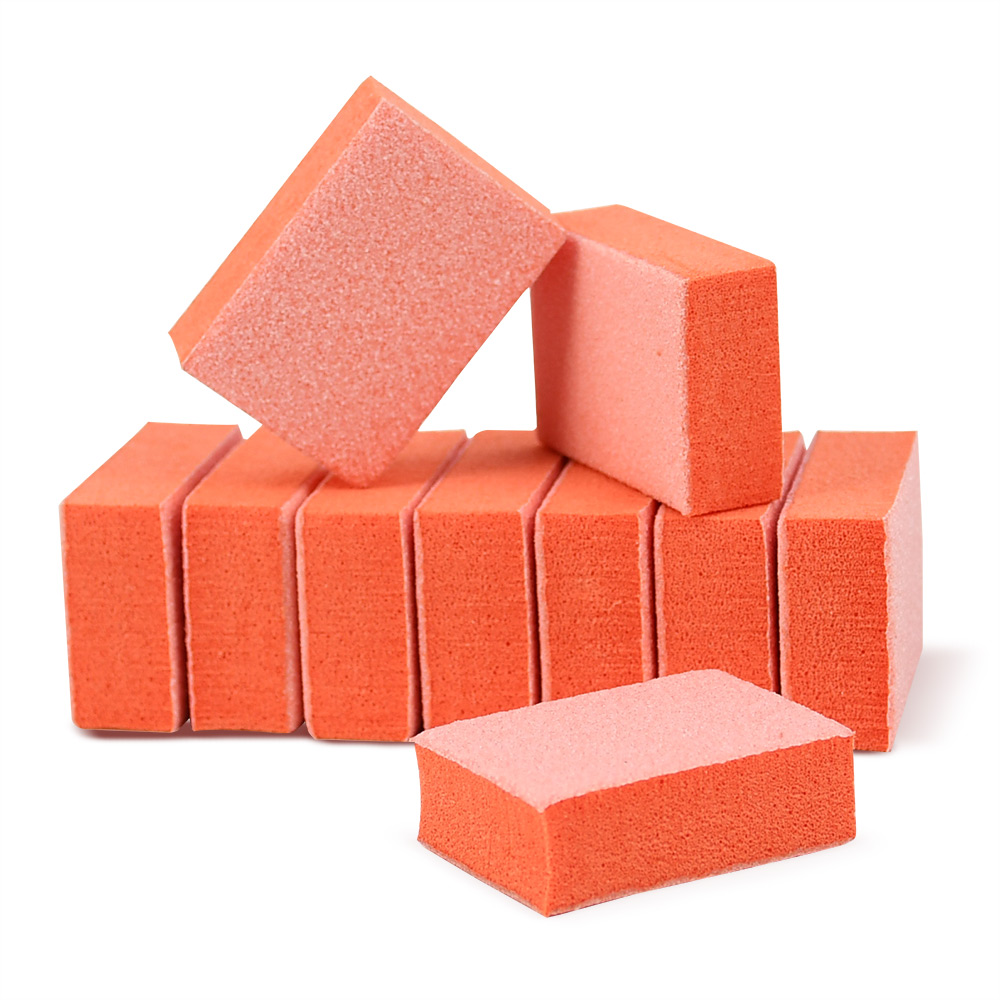
- A buffer block for smoothing the nail surface.
- A cuticle pusher.
- Nail clippers for shortening long nails.
- A dust brush.
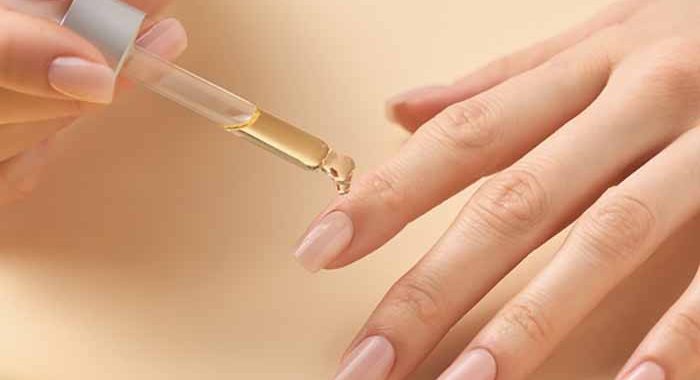
- Cuticle oil.
- Optional: base coat, polish, and top coat.
Avoid coarse files. They remove too much material and leave rough edges. For natural nails, a fine grit is always safer.
Step-by-Step: Filing a Square Shape
Step 1: Start with clean, dry nails. Remove old polish. Wash your hands and dry them thoroughly. Never file wet nails. Wet nails are soft and tear instead of filing cleanly.
Step 2: Decide on length. If your nails are very long, clip them first. Leave some length past the fingertip. Short square nails are practical. Medium square nails are elegant. Very long square nails are dramatic but fragile.
Step 3: File the tip straight across. Hold the file at a 90-degree angle to the nail. Place it under the free edge. File in one direction only—from one side to the other. Do not saw back and forth. Sawing creates micro-tears that lead to peeling. Lift the file off the nail after each stroke. Check that the tip is perfectly straight. Look from above and from the side.
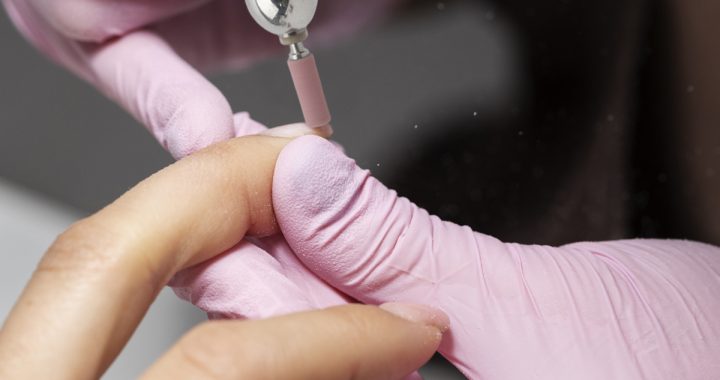
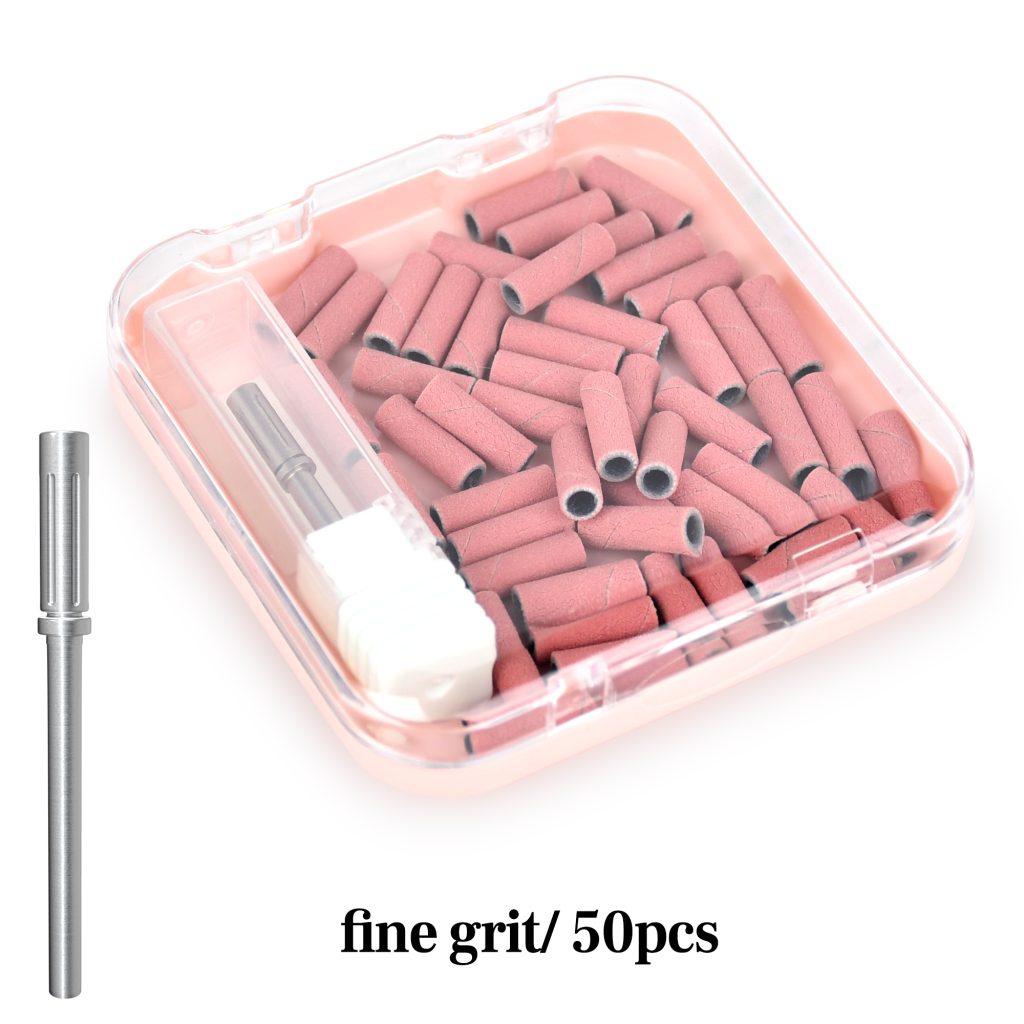
Step 4: File the sides straight. Hold the file vertically against the side of the nail. File straight down, keeping the side perpendicular to the tip. The goal is a 90-degree corner. Work slowly. For the side walls of the nail—which can be difficult to file—you may opt to use a Mini sanding band to avoid injuring the surrounding skin.
Step 5: Check symmetry. Look at the nail from above, from the side, and from the palm side. The tip should be straight. Both sides should be straight and parallel. If one side is longer or angled differently, file lightly to correct it. Small adjustments are better than large ones.
Step 6: Smooth the edges. Use a fine-grit file to gently smooth any rough spots. Run your finger along the edge. If you feel a sharp point or a rough area, file it lightly. Do not round the corners yet if you want a pure square shape.
Step 7: Buff the surface (optional). If you are not wearing polish, you can gently buff the nail surface to create a natural shine. Use light pressure. Two or three passes are enough. Do not over-buff.
Step 8: Clean and hydrate. Remove all dust with a brush. Apply cuticle oil to the nails and surrounding skin.
Making Square Nails Look Ideal
A perfect square nail has a few key features. The tip is straight across. The sides are straight and parallel. The corners are clean 90-degree angles. The length is even across all nails. The surface is smooth.
The ideal length for square nails is short to medium. Very long square nails look heavy and are more likely to break. Keep the free edge even. If one nail is longer than the others, the whole hand looks unbalanced.
The thickness of the nail should also be even. If you buff too much, the nail becomes weak. If you do not buff enough, the surface looks uneven under polish.
How to Round the Corners?
If pure square feels too sharp or impractical, you can soften the corners. This creates a “soft square” or “squoval” shape.
Use a fine-grit file. Hold it at a 45-degree angle to the corner. Use one or two light strokes to gently round the sharp point. Do not over-round, or the nail will become oval. Check by running your finger along the edge. It should feel smooth, not sharp.
Rounded corners make the nail more durable. They are less likely to catch on clothing or break. This is the best choice for anyone with an active lifestyle.
Daily Care for Square Nails
Square nails need more maintenance than round or oval nails because the corners are vulnerable.
Keep them dry. Wear rubber gloves for dishwashing and cleaning. Water weakens the nail and causes polish to lift.
Apply cuticle oil daily. Hydrated nails are flexible and less likely to break. Jojoba oil is ideal.
Avoid using nails as tools. Opening cans, peeling stickers, and scraping labels can chip the corners. Use a proper tool instead.
File regularly. Touch up the shape every one to two weeks. If a corner chips, file it smooth immediately to prevent further damage.
Seal the edges. If you wear polish, cap the free edge with base coat, colour, and top coat. Reapply top coat every few days.
Keep length manageable. Short square nails are more practical than long ones. If you are hard on your hands, keep them short.
Moisturise your hands. Dry skin around the nails can lead to hangnails and irritation. Use a rich hand cream after washing.
Common Mistakes to Avoid
Do not saw back and forth. File in one direction only.
Do not file wet nails. Always file dry.
Do not make the corners too sharp. A slightly rounded corner is more wearable.
Do not over-file the sidewalls. This weakens the nail structure.
Do not make the tip uneven. Check symmetry often.
Do not use a coarse file on natural nails. Use a fine grit.
Do not skip cuticle oil. Hydration keeps nails strong.
Final Thoughts
Square nails are a bold, beautiful choice. They are elegant on the right hand and striking with the right nail art. But they require precision and care. File the tip straight across, file the sides straight, and check symmetry often. Soften the corners slightly if you want a more practical shape. Care for them daily with oil, gloves, and gentle filing. With practice, you can create a perfect square shape that looks sharp, clean, and strong.
Read also: The Complete Guide to Cuticle Oil: What It Is, Why You Need It, and How to Use It